
GeoNerd Digest - 26th Edition: Shearing Through Granite at Lightning Dock
Last two months there were two major geothermal events: EGC in Zurich and GRC in Reno. In a couple of upcoming GeoNerd Digest editions I am going to share the most interesting papers from both events. We are starting with GRC´s paper titled "PDC Bit Technology Shears Fractured Granite To Access Geothermal Power" by Jordan Self, Aubry DeReuil, Joel EdwardsCharles H.S. Douglas III, Douglas Stephens and Chris Casad from Ulterra Drilling Technologies L.P. and Zanskar.

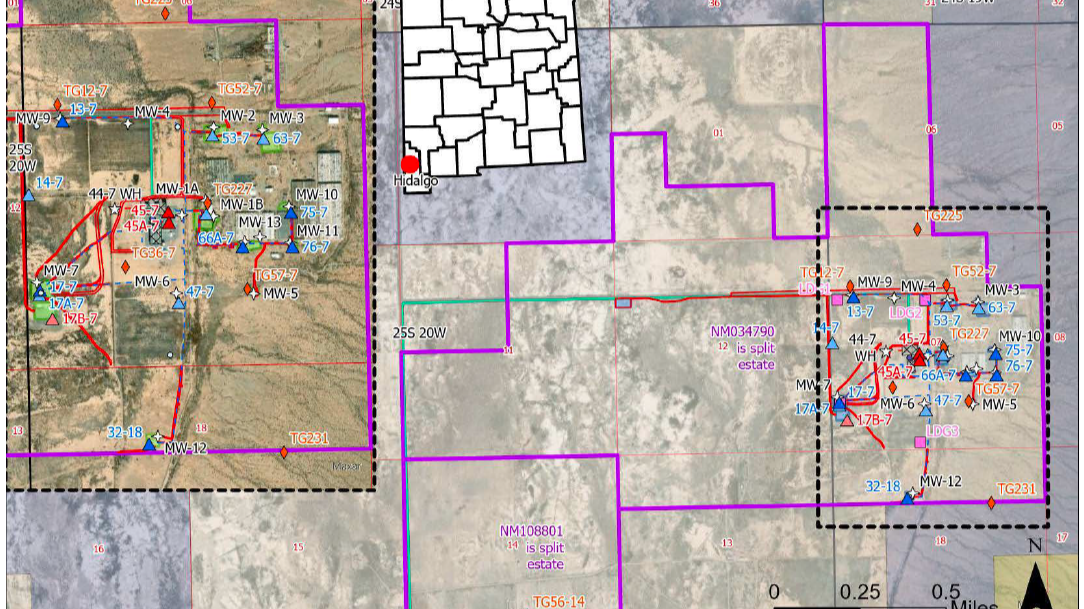

Lightning Dock: From Agriculture to Utility-Scale Geothermal Power
Lightning Dock Geothermal Field in New Mexico has a storied journey from humble agricultural roots to a fully operational power plant. For decades, starting in the late 1970s, this geothermal resource was tapped not for electricity but for heat – warming one of the nation’s largest geothermal greenhouse complexes and supporting local aquaculture. It wasn’t until 2013 that Lightning Dock saw its first power generation with a small 4 MWe binary plant feeding the New Mexico grid. That plant was later expanded (repowered in 2018) toward a ~10–15 MWe capacity, but the field continued to underperform its potential. By 2024, the project’s challenges prompted its sale by the previous operator. Enter Zanskar Geothermal, a new owner with fresh ideas, who acquired Lightning Dock in 2024 believing that modern technology and techniques could unlock a deeper bounty of heat beneath the Animas Valley.
PDC vs. Roller-Cone Bits – A Drilling Game Changer
One of the first things Zanskar did differently was to rethink the drill bit technology. Historically, geothermal drilling in hard, crystalline rocks (like the granite at Lightning Dock) relied on tough roller-cone bits. These traditional bits (with rotating steel cones that crush rock) have been workhorses for decades, but they drill slowly and wear out quickly in abrasive formations.
In the new Lightning Dock well, Zanskar flipped the script by using Polycrystalline Diamond Compact (PDC) drill bits – a technology long proven in oil & gas but until recently considered too fragile for hard geothermal rock. The results were striking: switching to PDC bits led to a 56% improvement in rate of penetration (ROP) compared to previous wells that used roller cones. In practical terms, the drilling team was able to reach target depth faster than ever before, dramatically cutting rig time.
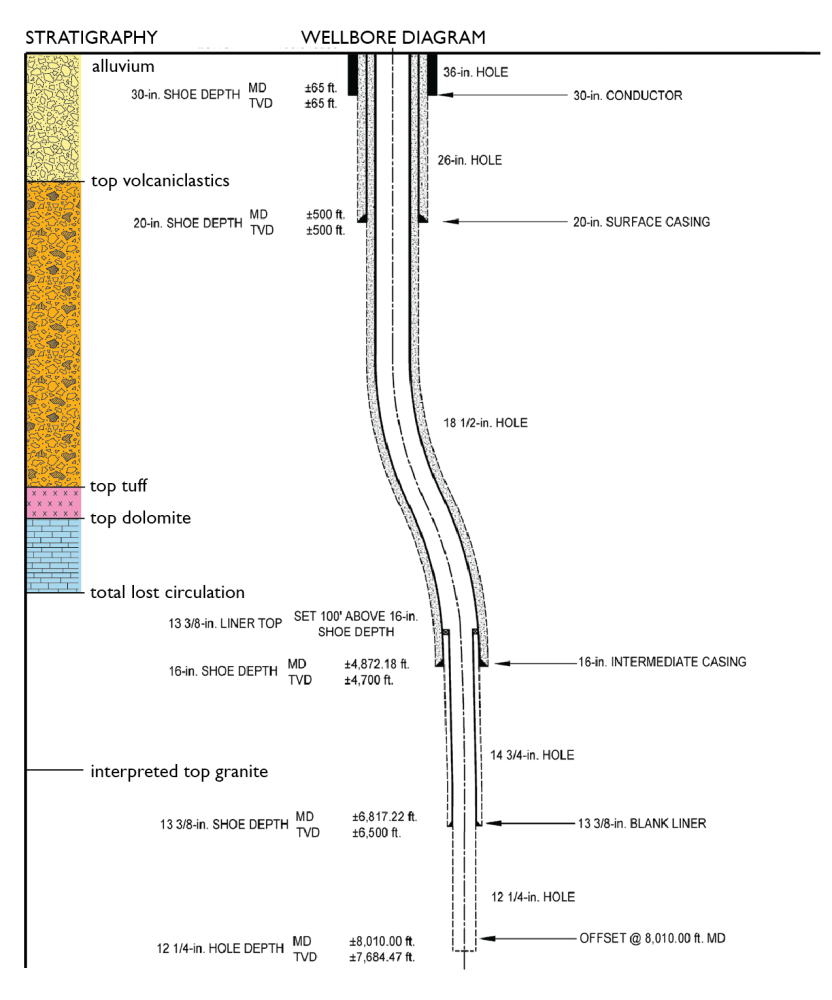
Just as importantly, this efficiency gain made it economically feasible to drill deeper and hotter into the fractured granite reservoir – accessing zones that earlier drilling campaigns had deemed uneconomic. In the new well (LDG 44-7), the bit chewed its way down roughly 8,000 feet into granite, tapping fluids around 160 °C (320+ °F) in a fractured zone that now yields enough flow to power the entire 15 MWe plant with a single well. This is a profound milestone: it suggests that previously “marginal” hydrothermal fields, like Lightning Dock, can have new life when advanced drilling tools unlock Wellbore design for LDG well 44-7 and simplified lithologies encountered while drilling their deeper resources.
Tech Breakthroughs: Cutting-Edge Bit Design
What enabled PDC bits to suddenly thrive where they used to struggle? The paper highlights several key technology advancements that made drilling through hard, fractured granite not only possible but efficient:
- Advanced Cutter Shapes: Unlike flat cutters of older PDC designs, the bits used here featured specially shaped diamond cutters (for example, novel V-shaped or ridged cutters) that better “bite” into ultra-hard rock. These cutter shapes concentrate force on the granite, initiating fractures and shearing it more effectively. Essentially, they combine the crushing power of a point attack with the shearing action of a blade, which proved crucial for breaking apart tough, crystalline granite layers.
- Improved Bit Body Materials: The PDC bit bodies were made from a robust matrix composite designed for high heat and abrasion. This matrix bit design resists wear and temperature better than conventional steel-bodied bits. In the extreme conditions of geothermal wells (where rock cuttings are abrasive and bottom-hole temperatures soar), the upgraded bit materials maintained integrity, protecting the diamond cutters and prolonging bit life.
- Precision RPM Control: Drilling through fractured granite demands finesse as much as force. The team employed precise rotational speed (RPM) control to optimize the bit’s cutting action. By fine-tuning the RPM (and avoiding the excessive speeds that could cause harmful vibration or cutter damage), they ensured a steady, efficient cutting rate. This controlled approach minimized destructive shocks and kept the bit in its sweet spot – aggressively shearing the rock without self-destruction. Modern rig systems and telemetry allowed real-time adjustments to maintain this optimal drilling regime.
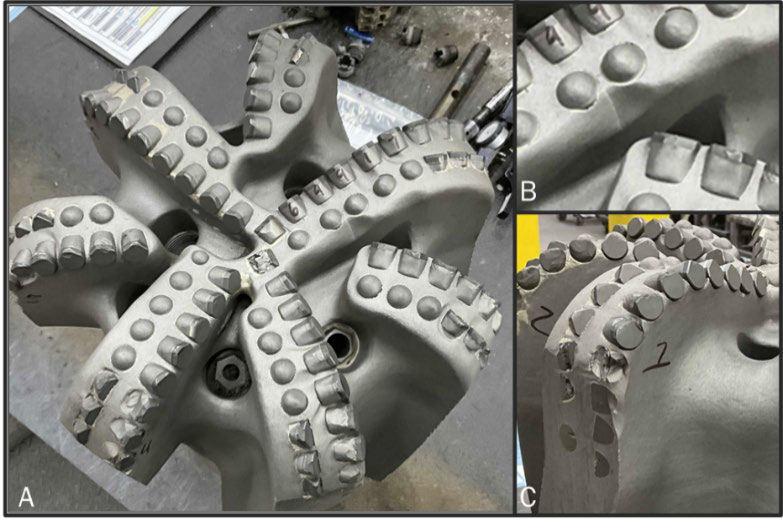
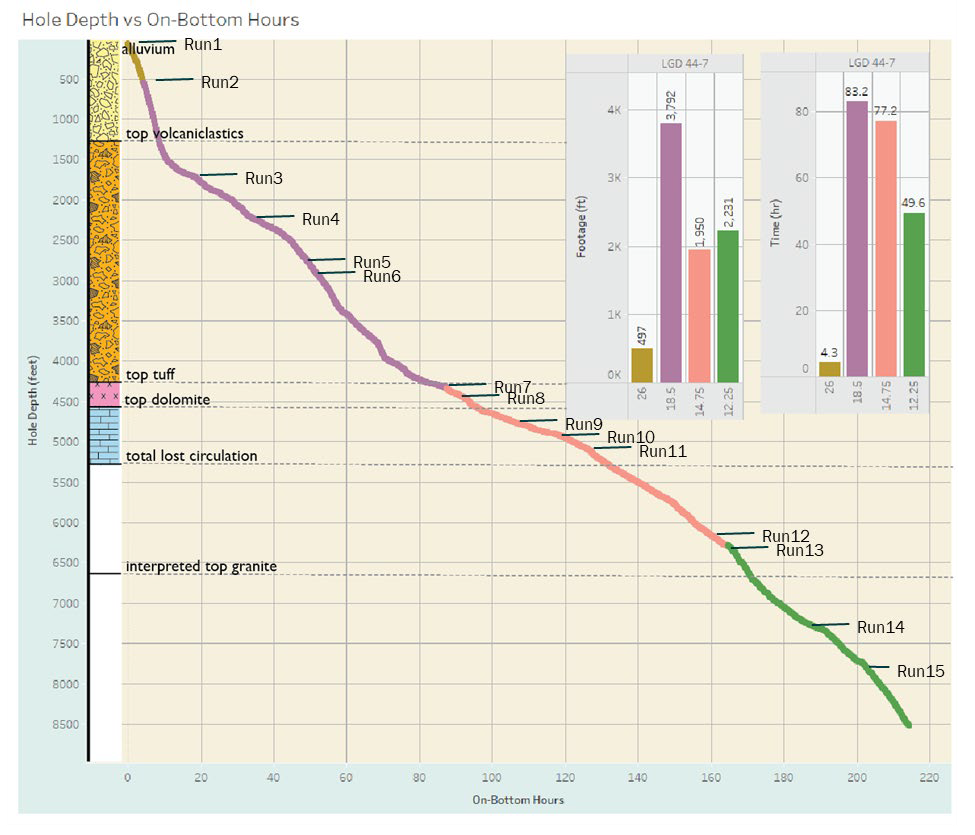
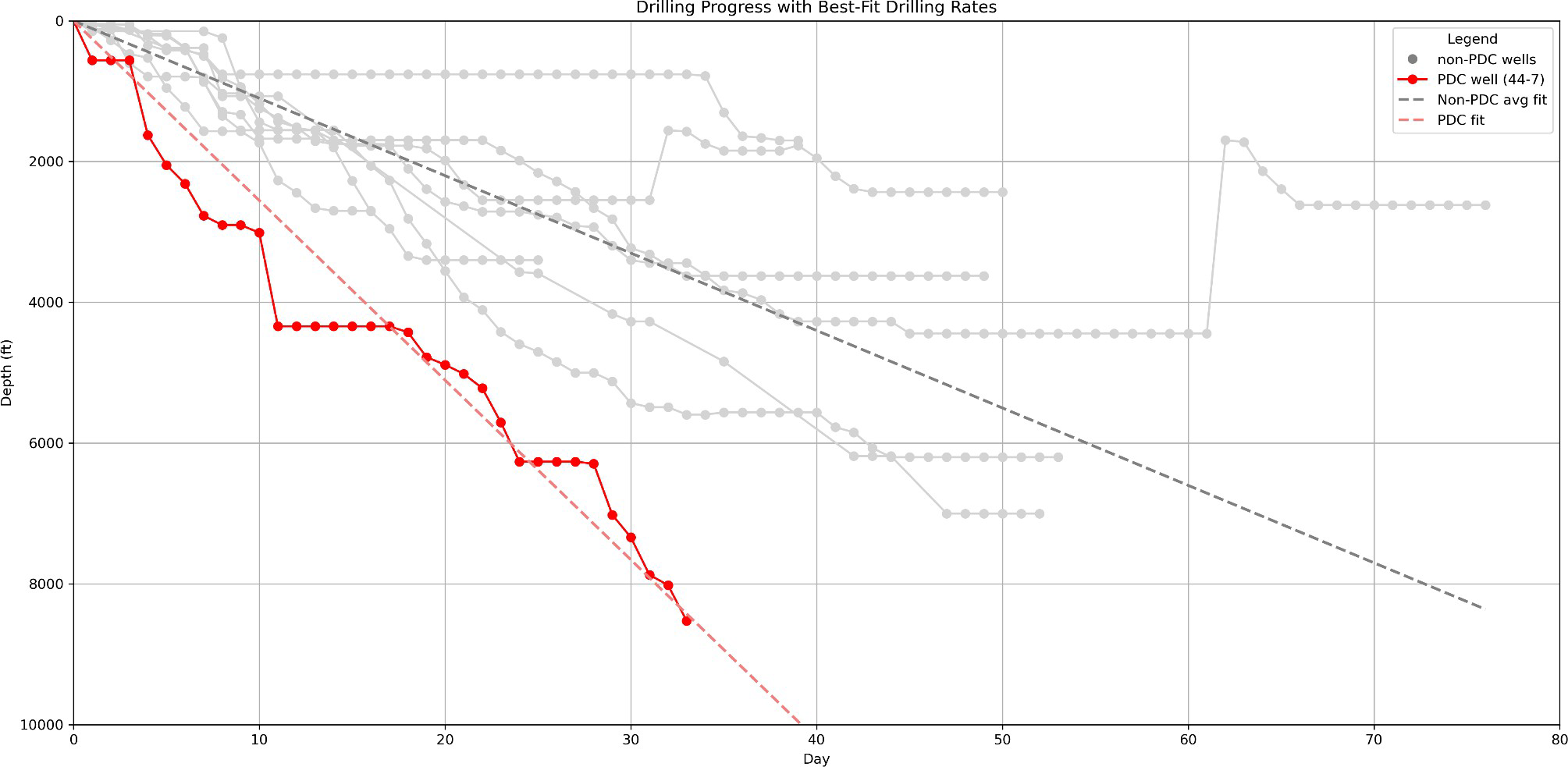
Together, these innovations in bit design and operation transformed what used to be a grinding slog into a far smoother process. The new PDC technology didn’t merely match the old roller-cone performance – it blew right past it, setting new drilling records for the field. The total well construction time took approximately 32 days with drilling time completing in just under 220 total hours on-bottom (OB).
Operational Insights and Learnings
Beyond the hardware itself, the Lightning Dock project offered valuable lessons in how to deploy these tools effectively. The drilling team emphasizes a few operational best practices that emerged from the campaign:
- Match the Bit to the Rock: Success wasn’t achieved with an off-the-shelf bit – it required tailoring the PDC bit design to the formation. Engineers customized cutter configuration, size, and grade specifically for Lightning Dock’s geology. By matching the bit design to the hard, fractured granite (rather than using a generic design), they maximized penetration and durability. This case underlines the importance of designing bits with a particular rock type in mind.
- Optimize Weight-on-Bit and RPM: Simply swapping to a PDC bit isn’t enough; drilling parameters had to be carefully managed. The crew meticulously controlled weight-on-bit (the downward force) and rotation speed to find the “sweet spot” – heavy enough to cut aggressively, but not so much as to risk damage. Likewise, they adjusted torque and mud flow to stabilize the bit. This balancing act proved critical: by maintaining optimal weight and RPM, the team avoided vibration-induced failures (like bit bounce or cutter breakage) and kept the ROP high and steady (figure below).
- Shaped Cutters Reduce Wear: The use of the newer shaped cutters paid off in practice with markedly less wear per foot drilled. Drill bits came out of the hole in better condition (“dull” grading showed sharp edges retained longer) compared to historical runs in similar rock. These durable cutters meant fewer bit trips and sustained performance over longer intervals. In effect, the shaped PDC cutters not only drilled faster – they also stayed effective longer, compounding the efficiency gains.
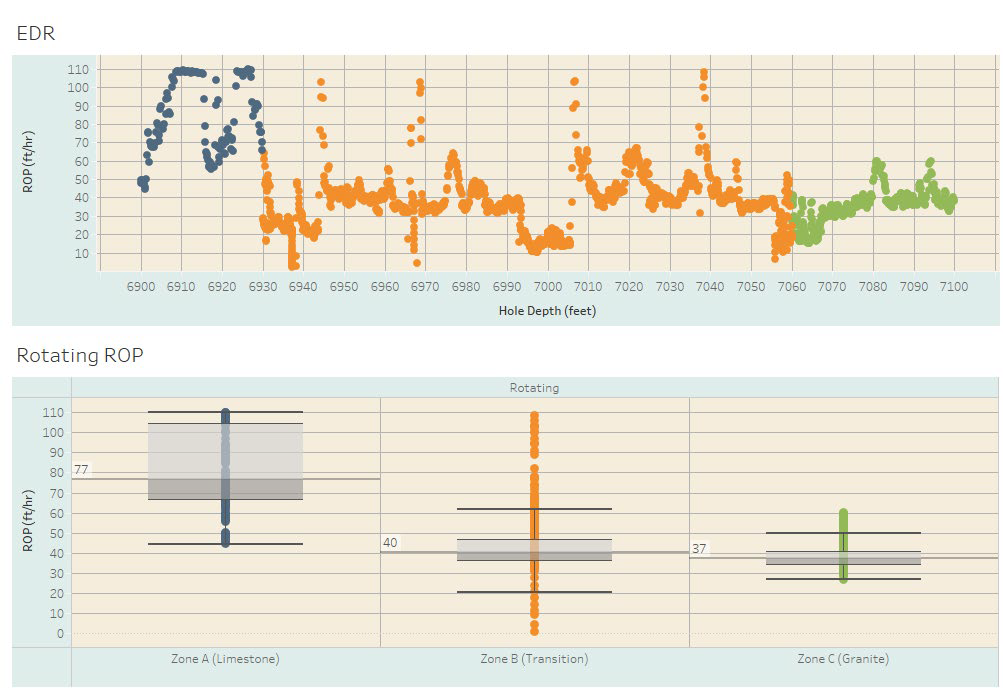
These operational insights highlight a broader point: extracting maximum value from advanced tools requires equally advanced techniques. The Lightning Dock team’s experience in bit selection, real-time parameter tuning, and proactive wear management provides a playbook that can be applied to other geothermal projects.
Big Impacts: Faster, Deeper, Cheaper Geothermal Wells
The outcome at Lightning Dock showcases how drilling innovation can directly translate into project benefits. First and foremost, faster drilling yields major cost savings. Rig time is one of the most expensive aspects of geothermal development – every day saved is money saved. A more than 50% increase in drilling speed dramatically cut the time (and expense) required to reach the reservoir, improving the overall project economics. This contributes to a lower cost per megawatt, bringing geothermal energy a step closer to cost-competitiveness. Figure below shows depth vs day traces for production or injection wells at Lightning Dock greater than 1000-ft deep.
Secondly, the ability to reach deeper, hotter zones means operators can tap into previously stranded heat. In this case, the fractured granite reservoir beneath Lightning Dock’s older wells held significantly higher temperatures and fluid flows – but it only became viable to exploit with the improved drilling performance. Accessing these deeper resources has effectively expanded the field’s potential, turning a struggling 4–10 MW field into a thriving 15 MW operation. It’s a prime example of technology turning a “marginal” field into a profitable one. Importantly, the new well’s success also validates the idea that conventional hydrothermal fields may still have a lot to give if we can drill a bit deeper (literally and figuratively).
Finally, the Lightning Dock story carries broader implications for the geothermal sector. It confirms trends seen in other projects (from Nevada to Utah to Oregon) that adopting oil & gas drilling advancements – like PDC bits, better rigs, and real-time data – can dramatically improve geothermal drilling outcomes. As these techniques become standard, we can expect faster well delivery times and more consistent results, even in the hardest rock environments. In the long run, that means more geothermal projects getting the green light, as drilling risks and costs come down. Fields once written off as too deep or too tough could become viable targets, widening the map for geothermal development.
In sum, “PDC Bit Technology Shears Fractured Granite To Access Geothermal Power” is more than just the tale of one successful well – it’s a blueprint for how innovation can rejuvenate an entire class of geothermal resources. Lightning Dock’s revival illustrates how a blend of new tools and know-how is unleashing extra heat and power from the Earth, faster and more affordably than before. It sets an exciting precedent as we look to the future of geothermal drilling.
- What other innovations do you see making a big impact in geothermal drilling performance or cost reduction? For example, how to maximize and maintain high values of WOB mentioned as one of the key reasons of better ROP?
- Could techniques like those used at Lightning Dock be applied to other underperforming geothermal fields? What factors would determine success or failure in different geology?
- As we push geothermal wells deeper and hotter, what new challenges (or opportunities) do you anticipate, and how might the industry tackle them?
Let’s discuss! The GeoNerd community on LinkedIn is eager to hear your thoughts. 🚀💬
Copyright Notice:
This summary is based on the report "PDC Bit Technology Shears Fractured Granite To Access Geothermal Power" by Jordan Self et al. published at GRC 2025. All figures are reproduced from the report under fair use for review purposes.


