NexTitan field validation results: Core functionality proved in hard rock
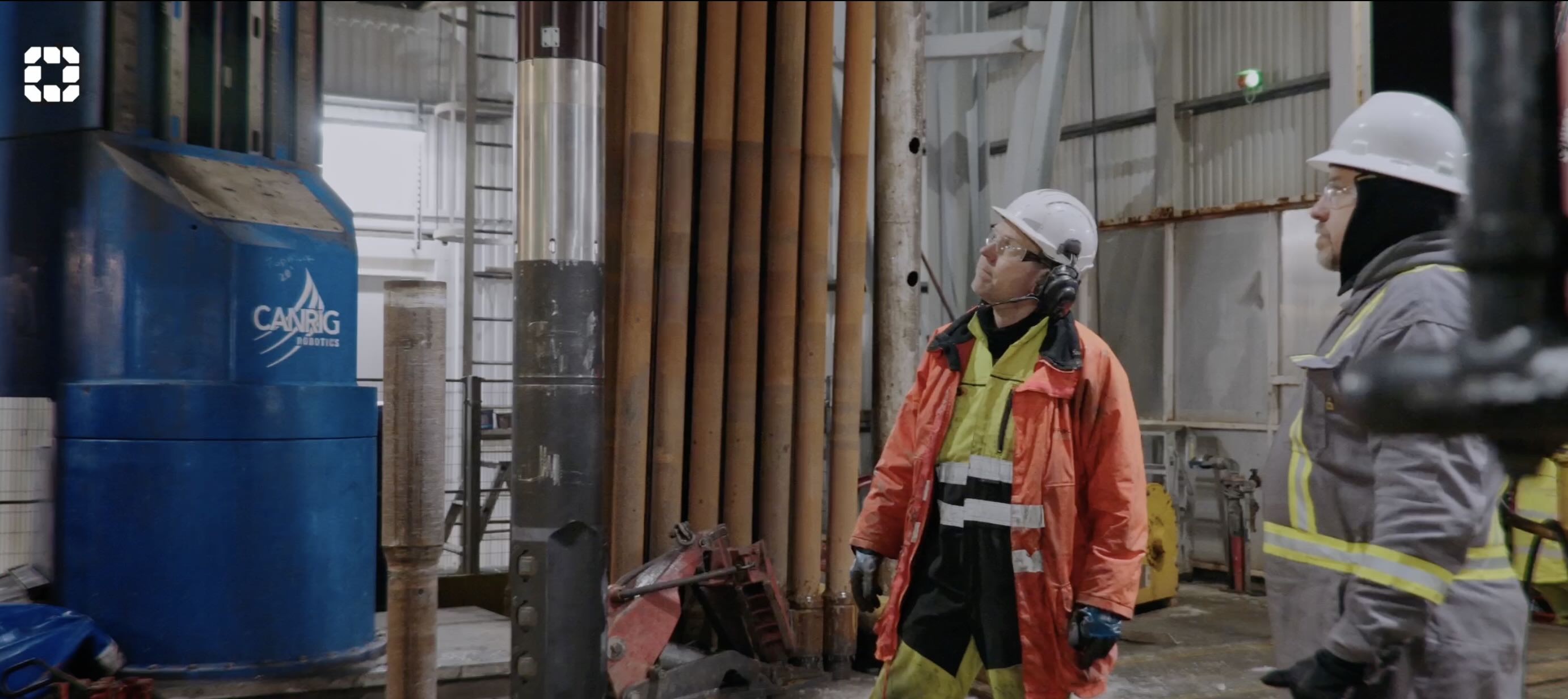


Conventional drilling tools lose grip and force consistency in the hard rock.
Geothermal drilling at depth means dealing with rock that conventional tools struggle to handle consistently. Hard formations resist penetration, and irregular borehole geometry makes drilling consistency and applying controlled force downhole a persistent drilling performance problem.
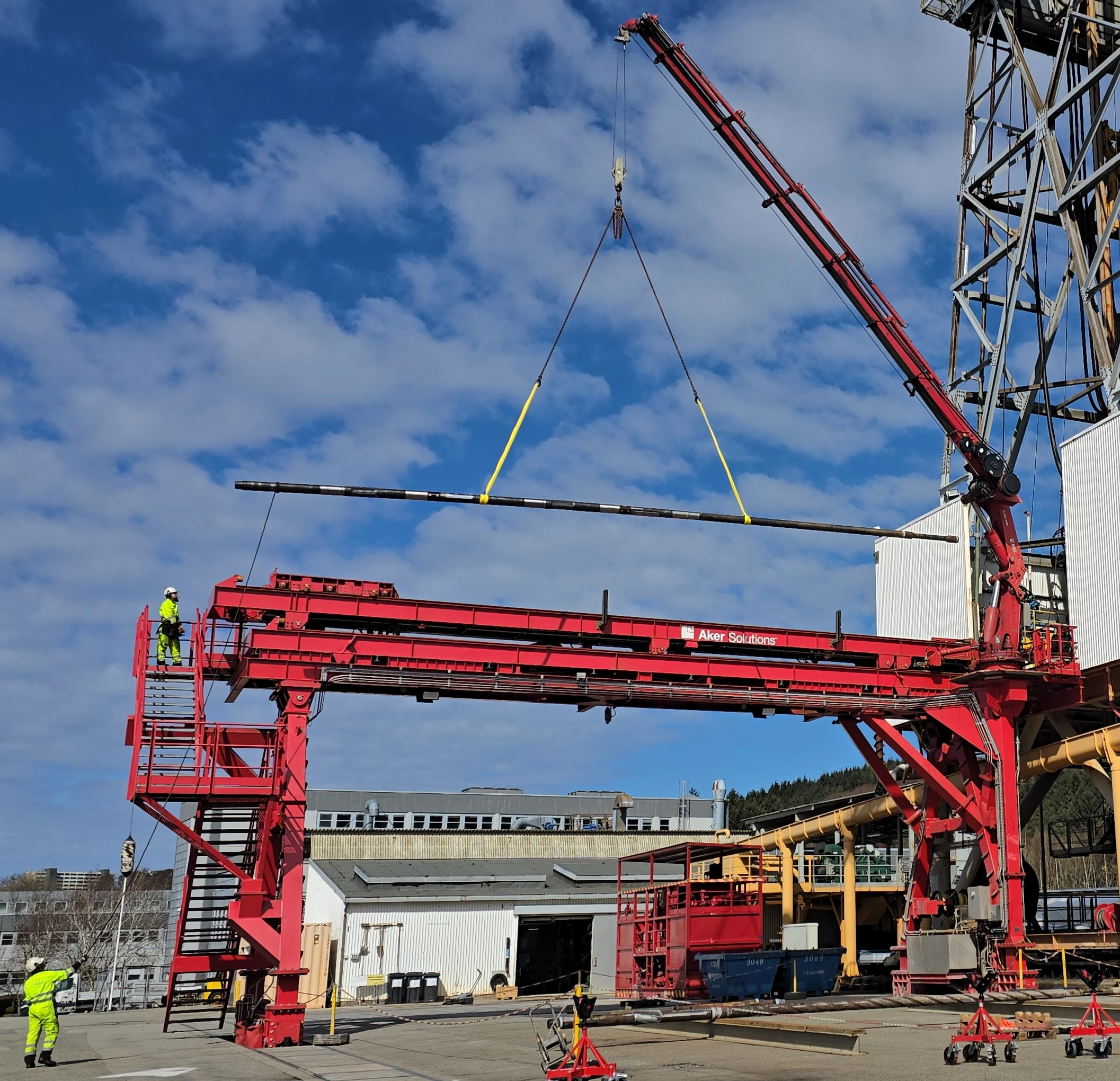
To prove NexTitan could perform where it matters, GA Drilling chose conditions that offered no flattery. The test well at NORCE Ullrigg in Stavanger, Norway was an 8.5" nominal diameter wellbore reaching 968 ft depth, drilled through Phyllite at 22,000 psi UCS and Gneiss at 33,000 psi UCS, two of the hardest rock types relevant to deep geothermal. The borehole was uneven and oversized to 10" in sections, with heavy ovality and spiraling throughout. A rigorous stress test for any downhole gripping system.
The objectives were unambiguous:
- demonstrate that NexTitan could grip the formation securely,
- generate controlled axial thrust downhole,
- and advance at specification-consistent speeds in both cased and open hole environments.
NexTitan applies controlled force directly at the bit, autonomously, without depending on surface decisions made with incomplete downhole data.
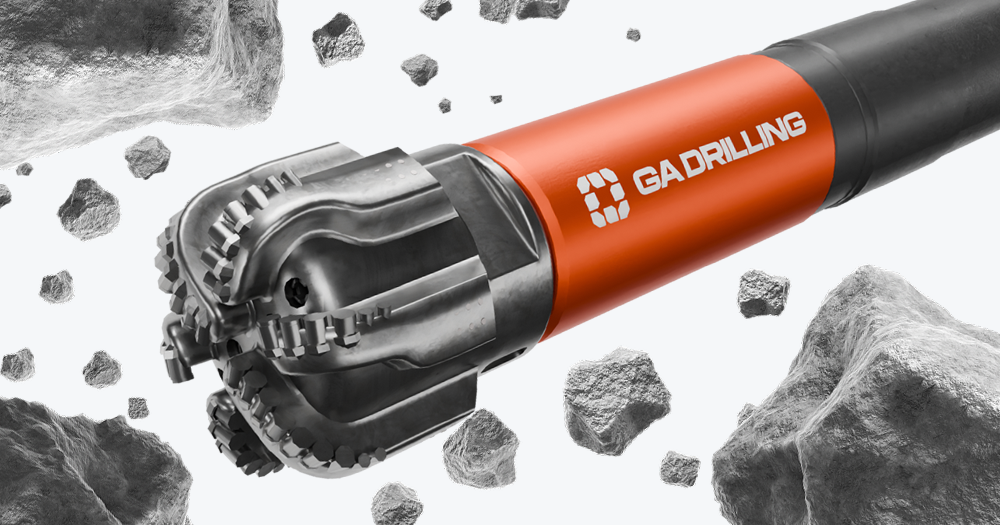
NexTitan is GA Drilling’s modular downhole system designed to address the core mechanical limitations of hard-rock drilling. It stabilizes the drill string, applies weight directly at the bit, and operates with closed-loop autonomous control, adjusting thrust and torque based on real-time downhole conditions rather than surface estimates with delayed feedback.
Its modular architecture means components can be changed out in the field without pulling the tool, reducing downtime in time-sensitive operations.

NexTitan delivered across every primary objective.
The system gripped the formation and generated sustained axial thrust in both cased and open hole environments, reaching 32,000 lbf in open hole at depth with simultaneous drill string rotation. It held grip in borehole sections that were significantly oversize and geometrically irregular. There were no instances of sticking during run-in or pull-out.
Walking speeds were consistent with product specification: 164 ft/hr (50 m/hr) in cased hole and 98 ft/hr (30 m/hr) in open hole, with closed-loop walking control operating automatically throughout.
The modular architecture proved its operational value directly: a full electronics changeout was completed on the rig floor, compressing what could be days of downtime into under an hour.
For deep geothermal development, these results matter because the barriers to scale are no longer tied to hard-rock formations.. Demonstrating controlled, autonomous downhole force in hard rock, with no sticking and full electronic serviceability in the field, is the evidence base that moves geothermal wells from feasible to deployable.
"There is nothing in the world like this today." said Liam Lines, Chief Engineering Officer at GA Drilling.


Do you have questions?
Contact us now.
Discover more