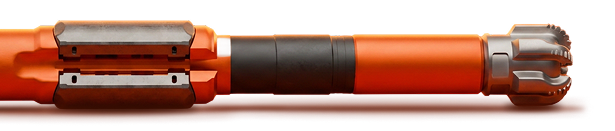
Geothermal drilling technology is the drilling equipment and methods built for geothermal wells, which deal with high temperatures, hard and abrasive rock, and corrosive fluids.
What is geothermal drilling technology?
Geothermal drilling technology is the equipment and methods used to drill wells into hot rock to produce heat or power. It borrows heavily from oil & gas drilling but has to cope with higher temperatures, harder rock and more corrosive fluids.
How is a geothermal well drilled?
Geothermal well drilling uses the same kind of rotary rig as oil & gas. The well is drilled in sections, each smaller than the one above, and each section is lined with steel casing before the next one starts. The main differences from an oil and gas well are:
Casing is cemented all the way to surface, which takes much more cement than a typical oil and gas job.
Hole sizes are often larger, because lower-temperature wells have to move a lot of fluid to be economic.
Temperature is the main well control concern, so cooling the well by circulating fluid matters more than in most oil and gas wells.
Lost circulation is common, and long sections may be drilled with full fluid losses.
Why is geothermal drilling harder than oil and gas drilling?
Hard rock: many geothermal wells go into granite or other crystalline rock, which is much harder than the sedimentary rock most oil and gas wells drill. Rate of penetration is lower and bits wear faster.
Heat: high temperatures shorten the life of downhole electronics, elastomers and drilling fluids. Mud coolers and insulated drill pipe help keep tools within limits.
Fractures and losses: geothermal reservoirs are often fractured, which brings lost circulation and wellbore stability problems.
Large hole sizes: wells need large diameters to carry high flow rates.
Why does drilling cost matter so much in geothermal?
Drilling is one of the largest costs of a geothermal project, and slow drilling in hard rock is the main reason. Lower cost per meter makes more resources worth developing, especially enhanced geothermal systems that need several deep wells. See geothermal well economics.
What technologies are being used to drill geothermal wells faster?