

GA Drilling is a partner on Project Salt Cove, a geothermal project led by 400C Energy that the U.S. Department of Energy (DOE) has selected for up to $7.8 million in funding. The project will re-enter and deepen an existing geothermal well at Salt Cove in Beaver County, Utah. GA Drilling contributes its hard-rock drilling technology expertise to the project team.
What the project will do
400C Energy and its partners will re-enter and deepen the well to find out what kind of resource sits beneath Salt Cove: an extension of the nearby Roosevelt Hot Springs hydrothermal system, a high-temperature resource in hot crystalline rock, or a transitional system between the two.
The project team is 400C Energy (lead), the University of Utah, the Utah Geological Survey, the National Laboratory of the Rockies, Lawrence Berkeley National Laboratory, GeothermEx and GA Drilling.
Part of DOE's $99 million geothermal program
Salt Cove is one of 21 projects selected by the DOE Hydrocarbons and Geothermal Energy Office under its Pilots and Demonstrations program, which offers up to $99 million for enhanced geothermal system (EGS) field tests and exploration drilling. Projects are selected for award negotiation, and funding is confirmed once those negotiations are complete.
Why hard-rock drilling matters
Hot crystalline rock is where geothermal drilling gets slow and expensive. Bits wear faster, vibration is harder to control, and every extra trip to change a bit adds rig time. Geothermal drilling technology innovations that bring that cost down, from hybrid bits and high temperature downhole tools to closed-loop control at the bit, will decide how quickly next-generation geothermal, and later superhot rock drilling, can reach commercial scale. 400C Energy develops superhot-capable stimulation, drilling and production technologies for exactly these conditions.
About NexTitan
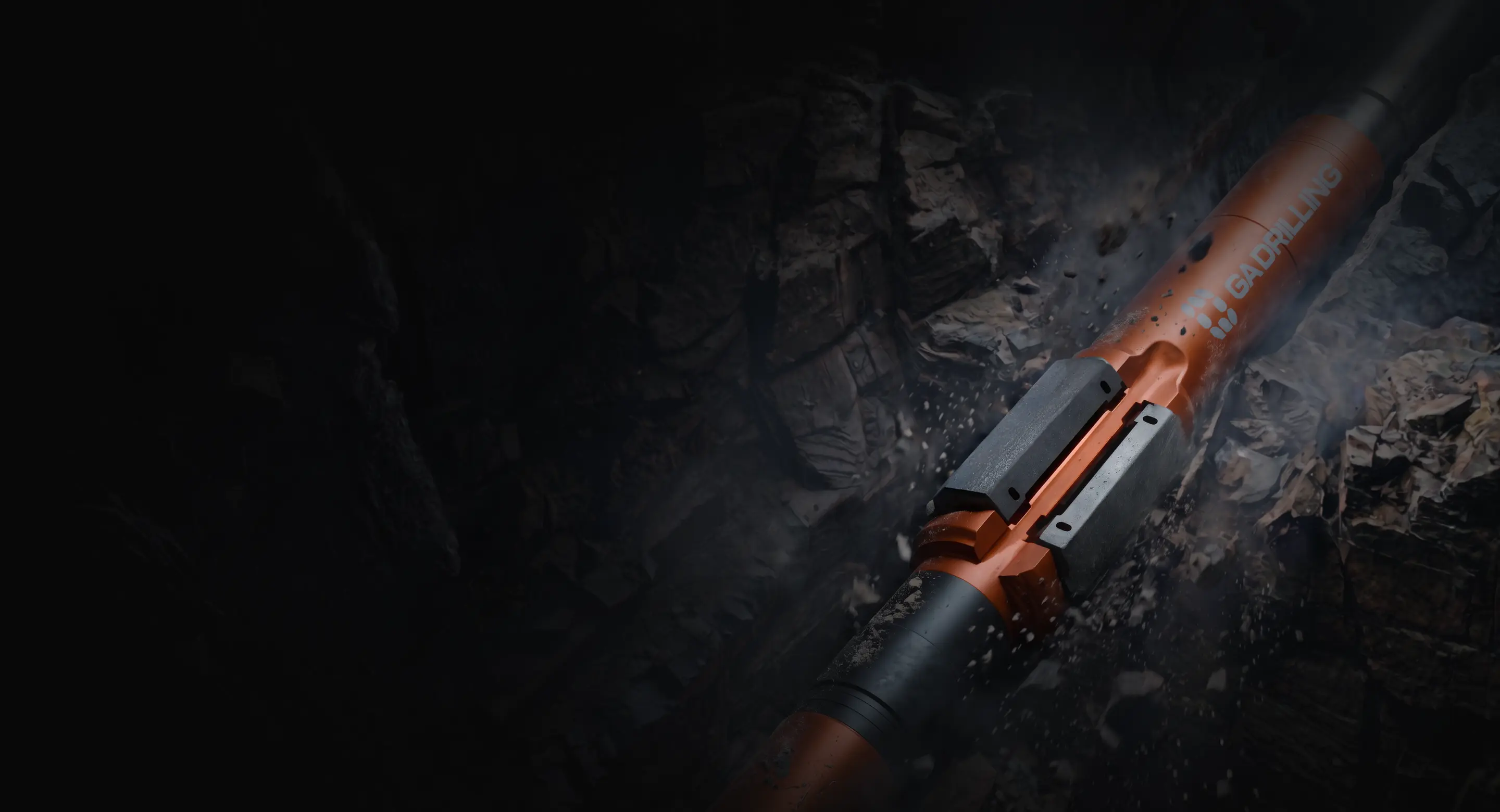
GA Drilling develops hard rock geothermal drilling cost reduction technology for geothermal and oil and gas wells. Its NexTitan autonomous downhole drive tool sits in the bottom hole assembly and applies weight on bit at the drill bit, with closed-loop control that adjusts to downhole conditions in real time. In 2026 field tests in Norway, NexTitan generated 32,000 lbf of downhole thrust and drilled 66 ft of 22,000 psi phyllite. Read the field test results.


