Industries
Geothermal Developers

Up to 3x faster deep geothermal drilling with NexTitan

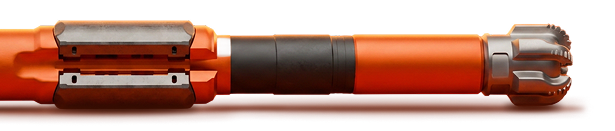
Deploy the industry's only automated downhole drive system rated to ~300°C with active mud cooling to maximize ROP and eliminate non-productive time in basement granite.
Scroll for more
Geothermal developers collaboration illustration
The problem
Deep geothermal wells live or die on drilling cost. The hard-rock section at the bottom of the well takes the biggest share of the budget and causes most of the delays. Cut the rig days there and the project economics change.
Why GA Drilling?

Engineered for granite.
Rated for geothermal wells.

Utilize next-gen geothermal drilling technology, validated by field-tests at NORCE Norway to cut your CAPEX.
~300°C with active mud cooling
Isolates sensitive downhole electronics, allowing the system to operate safely inside extreme ultra-hot reservoirs.
+32,000 lbf thrust at the bit
Delivers massive, continuous force at the bit face to completely bypass mechanical surface drag and drill pipe buckling.
Zero stick-slip non-productive time
Sensors dynamically respond at the formation face to neutralize the severe vibrations that fracture standard PDC cutters.
‍

Is your well a fit?

NexTitan is for wells where hard rock slows you down: EGS, closed-loop, hydrothermal in volcanic basement. Twenty minutes with our drilling engineers will tell you if NexTitan is right for your project.
Use cases

Explore use cases
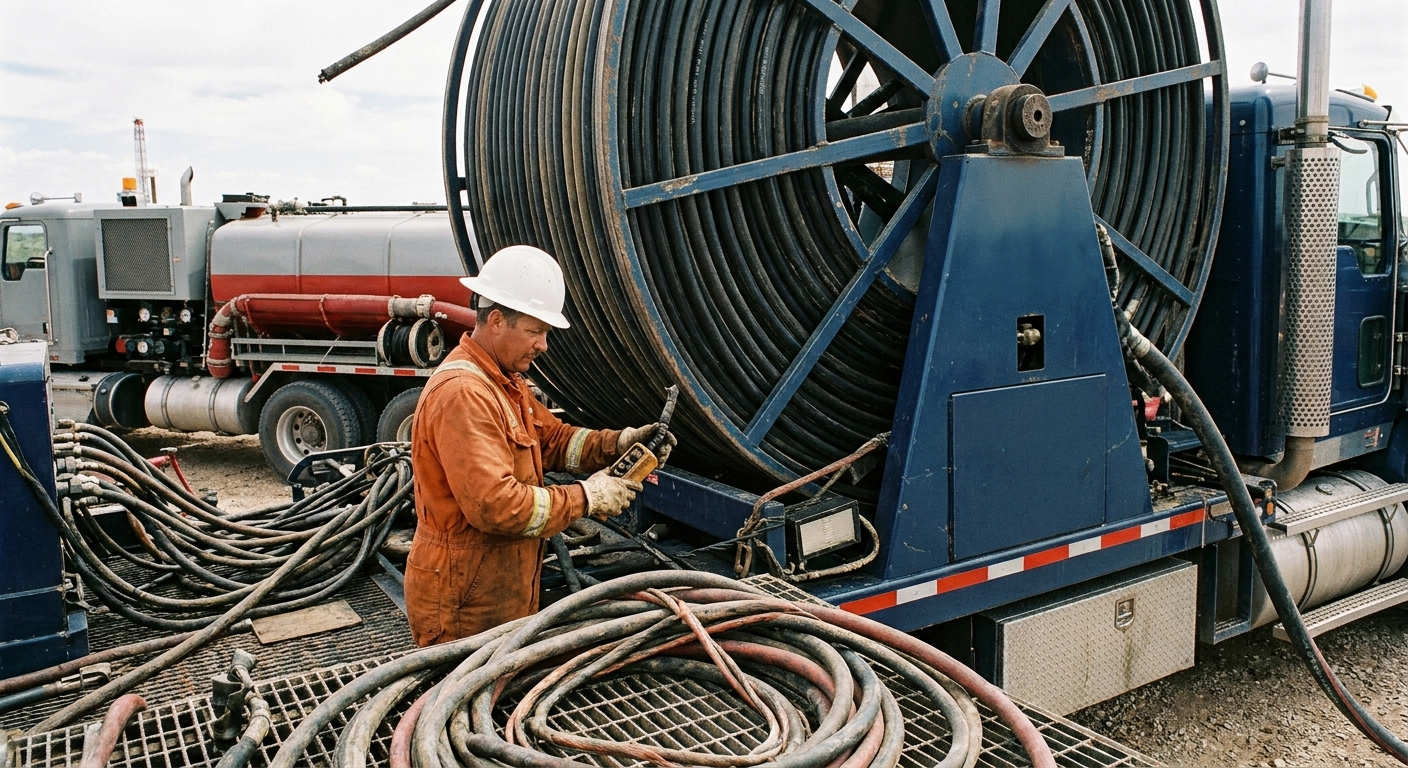
Coiled tubing drilling with NexTitan
Read more
Drilling for industrial use
Decarbonize factories, data centers, and power plants with scalable geothermal. Factory-style drilling cuts costs and enables rapid well programs.
Read more
Inclined and horizontal wells
Maximize reservoir contact with inclined and horizontal wells. NexTitan enables efficient drilling in hard, hot formations, improving geothermal well economics.
Read more
Case Studies

Dive into our case studies

NexTitan field validation results May 2026: dual-unit system drills hard rock
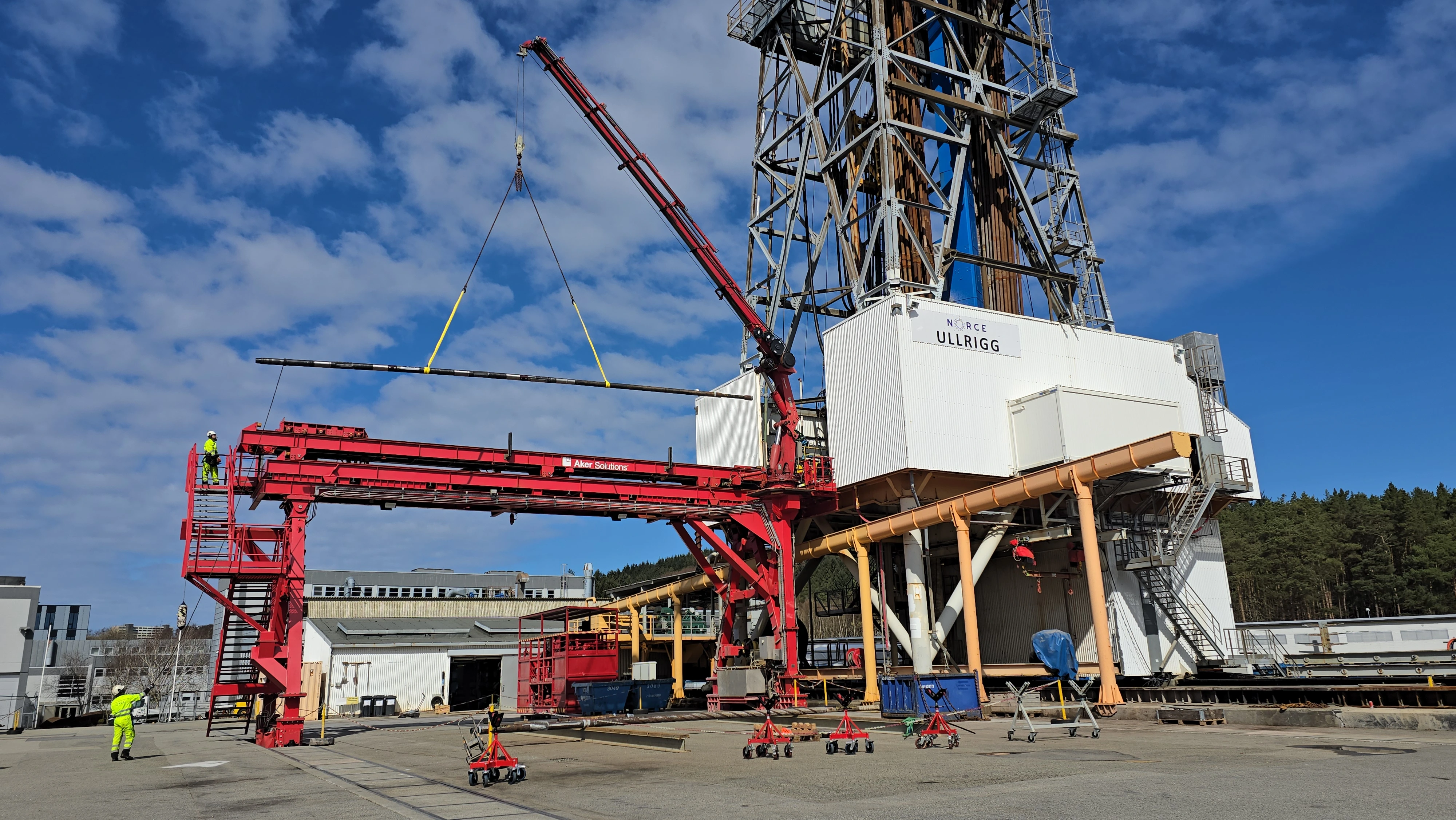
NexTitan now delivers continuous thrust in hard rock. In April 2026, GA Drilling deployed two coordinated Downhole Drive Units at NORCE Ullrigg, Stavanger, drilling 66 ft of hard Phyllite and validating downhole turbine power.
66 ft
Hard rock drilled
7.5 hrs
Operational time
NexTitan field validation results: Core functionality proved in hard rock
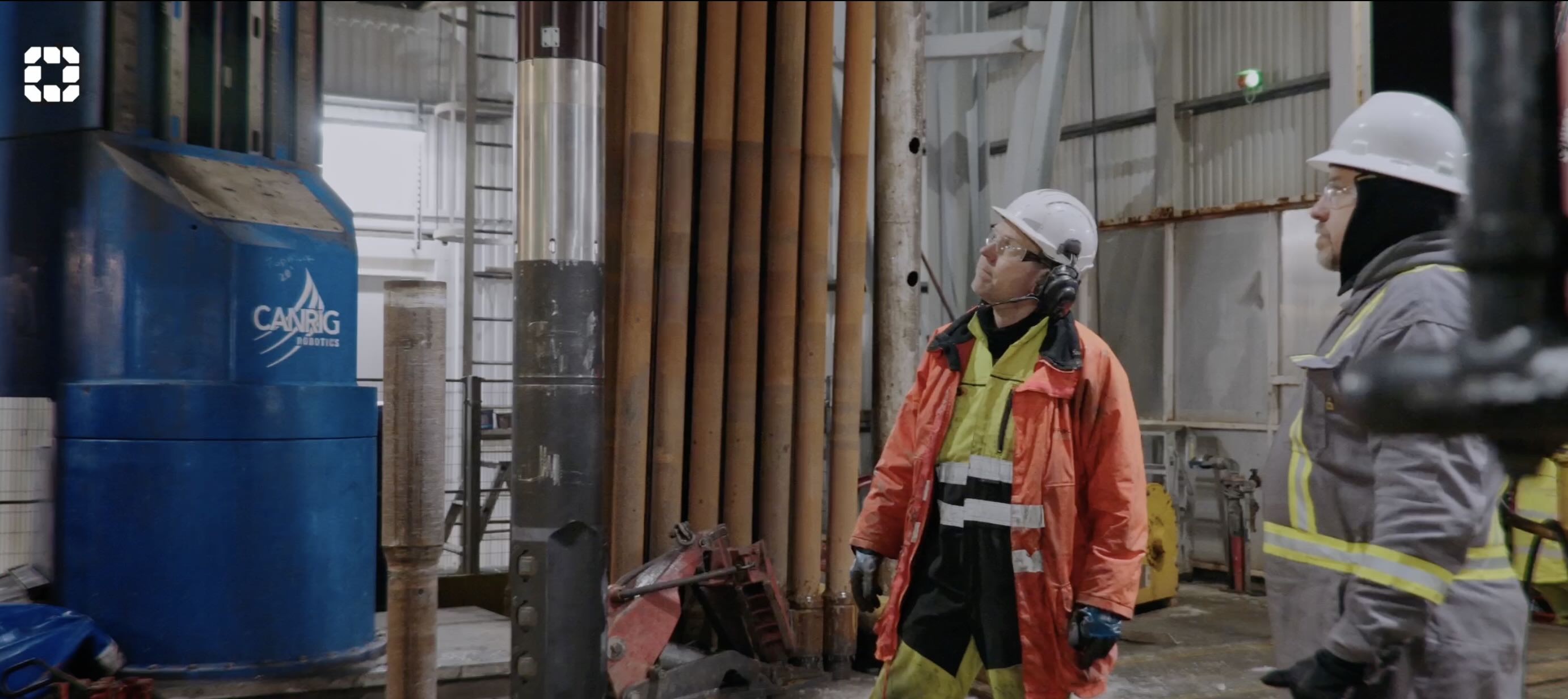
NexTitan successfully operates in hard rock environments. In February 2026, GA Drilling demonstrated core anchoring and drive capabilities within an actual wellbore at the NORCE Ullrigg facility in Stavanger, Norway.
32 000 lbf
Peak downhole trust
50 m / hr
Walking speed
GA Drilling secures $44.1 million to deploy NexTitan
GA Drilling, a technology company making deep geothermal drilling commercially viable has secured a $44.1 million investment to enter full-scale commercial deployment of its NexTitan downhole anchoring and drive system.
$24.7m
Fresh money
$19.4m
SAFE conversion
Proving NexTitan technology in Houston field tests
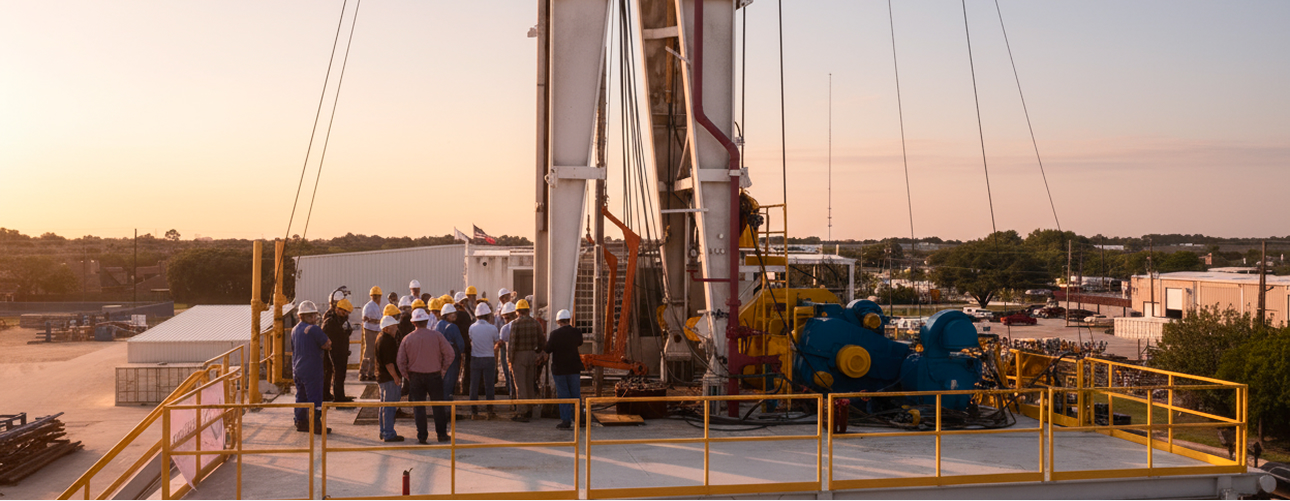
Field tests in 2023 validated the NexTitan anchoring system’s ability to reliably “walk” and grip while drilling up to 100 ft/hr (31 m/hr).
-35%
Lateral vibrations
Extended
PDC tool lifetime
Questions geothermal developers ask us

Frequently asked questions

What is NexTitan?

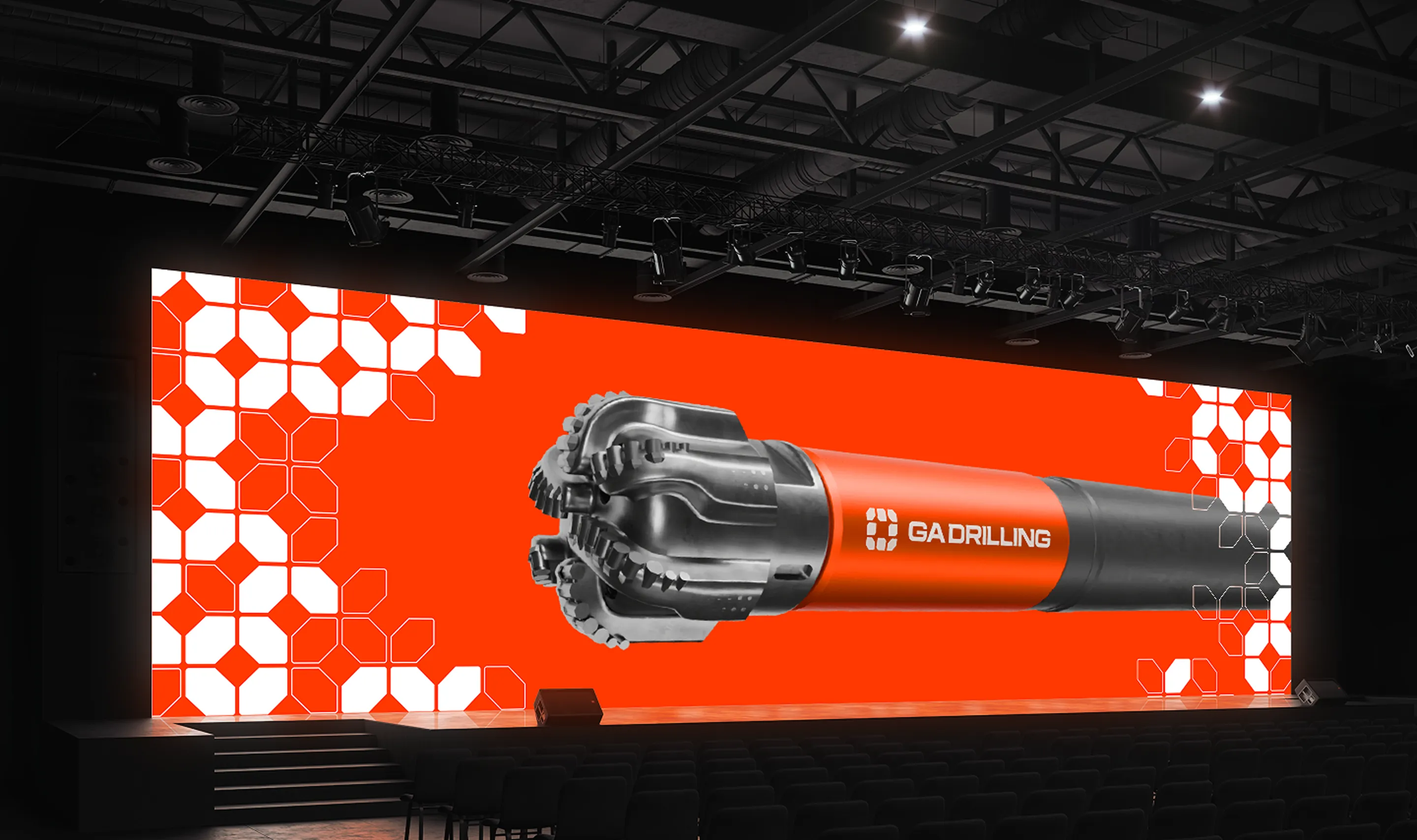
NexTitan is a downhole drive system that applies weight on bit at the bit and reacts to downhole conditions in real time.

How it works
Is NexTitan a steering tool?

No. NexTitan controls weight on bit at the bit. Directional control stays with your existing directional assembly.

What temperature is NexTitan rated to?

NexTitan is rated to 175°C circulating, with reservoir temperatures up to ~300°C using active mud cooling of the electronics.

Does NexTitan work in basalt and other volcanic rock, not only granite?

Yes. The tool responds to the formation at the bit face; it is not tuned to one rock type.

Why is drilling in granite so slow?

Granite is hard and abrasive, so the rate of penetration drops and PDC cutters wear or fracture quickly. Each worn bit means pulling the whole drill string out of the hole, replacing the bit and running back in, which at depth takes most of a day. Vibration (stick-slip) makes cutter damage worse. NexTitan addresses this by applying weight on bit at the bit and reacting to vibration downhole.

How much of a geothermal project’s cost is drilling?

Roughly half. Published estimates for enhanced geothermal systems put drilling and well construction at 40–60% of total project capital cost, and the share rises with depth. That is why drilling speed in the hard-rock section decides whether a deep geothermal project is economic.

Calculate drilling cost
What is deep geothermal drilling?

Deep geothermal drilling means drilling wells into hot rock at depths of roughly 3 to 5 km, where temperatures reach 150–300°C, to produce heat or power. At those depths the well usually passes through crystalline basement such as granite, which is harder and slower to drill than sedimentary rock. Enhanced geothermal systems (EGS) and closed-loop projects both depend on it.

What temperature can downhole drilling tools operate at?

Most standard downhole electronics are rated to around 150–175°C. Deep geothermal targets are often hotter than that, which limits which tools can be run.

Ready to unlock clean
24/7 power?

Let’s talk about how NexTitan can accelerate your next geothermal well completion.
Operating Principle
Feature
Badge
This is the default text value
Badge