Drilling cost calculator
Model the savings on your own well.
AI in drilling reads the data a well produces and acts on it faster than a person can. The common uses are picking drilling parameters, spotting vibration and drilling dysfunction early, predicting when a tool is about to fail, simulating a well before it is drilled, and planning from offset data.
Yes. The options fall into four groups, and most operators end up using more than one.
A drilling simulator models how a bit, a bottom hole assembly and a set of parameters will behave in a given formation. Engineering simulators are used to plan wells, size tools and test automation logic before it reaches a rig. Training simulators are a separate thing, built to teach crews. See drilling simulator.
Surface sensors give hookload, torque, rotary speed, pump pressure and flow. Downhole tools add direction, vibration and formation data. The limit is bandwidth: mud pulse telemetry sends very little data to surface, so most of the downhole record stays in the tool and is read after the run. See real-time drilling data.
In a deep well, a command from surface reaches the bit late. By the time a vibration spike shows on the rig floor, the cutters may already be damaged. That delay is why control at the bit behaves differently from software that advises from surface. See closed-loop control.
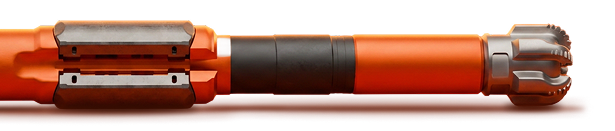
Advansa AI is GA Drilling's drilling optimization software for NexTitan, bringing a data pipeline, a drilling simulator, AI and an operator interface together in one system. NexTitan records force, position and vibration at the bit on every run, and Advansa uses that data to recognize drilling conditions and switch the tool between preset control modes, so more decisions are made downhole without waiting for surface. See drilling automation and downhole force control.
If you want to look at your own drilling data with our team, get in touch.

The tool, step by step.
Ask about your well or formation.