Drilling cost calculator
Model the savings on your own well.
Real-time drilling data is the continuous stream of measurements from a drilling rig, sent for analysis while the well is being drilled. It includes surface sensors on the rig and downhole sensors near the bit.
Downhole, failure prediction rests on vibration and load history. Models track stick-slip severity, shock counts and cumulative load cycles against a tool's rated life, and flag a tool that is accumulating damage faster than planned. Surface equipment is more straightforward, because mud pump and top drive data support condition-based maintenance directly. The constraint downhole is bandwidth: mud pulse telemetry sends very little data to surface, so the fullest record is the one stored in the tool and read after the run. That is why control acting on the data where it is measured does not carry the same delay. See non-productive time.
Bandwidth from downhole is low with mud pulse telemetry, so most downhole data arrives slowly or only when the tool is back at surface. Surface data is fast but describes conditions at the rig, not at the bit. Data quality and consistent formats across vendors are common problems.
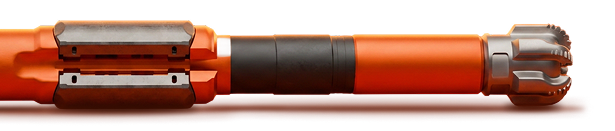
GA Drilling's NexTitan records force, position and vibration at the bit on every run. Advansa AI uses that data to recognize drilling conditions and switch the tool between preset control modes, so more decisions are made downhole without waiting for surface. See AI in drilling.
If you want to look at your own drilling data with our team, get in touch.

The tool, step by step.
Ask about your well or formation.